
- Home
- Applications
Dust Collection Ductwork
Loading component...
Loading component...
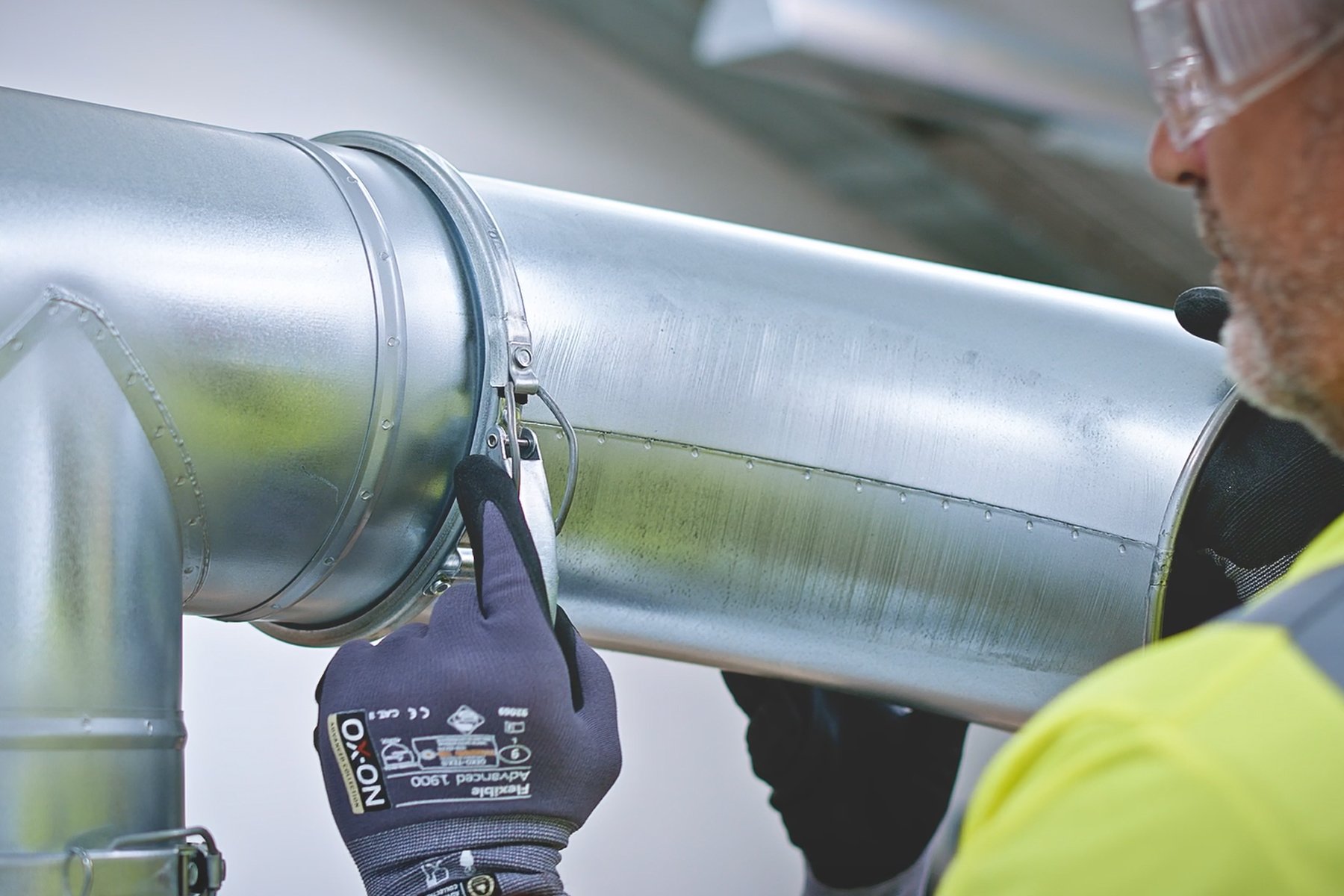
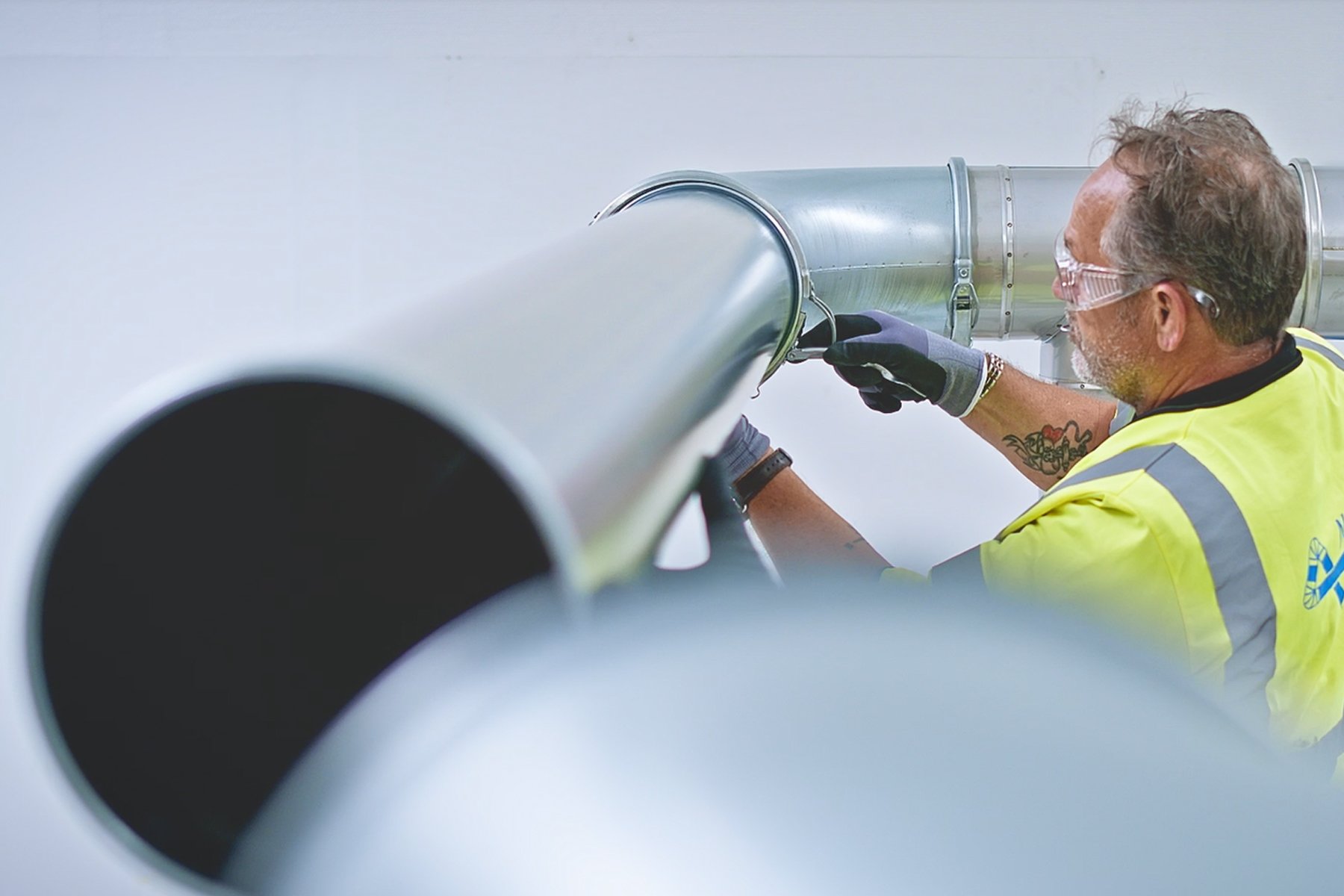


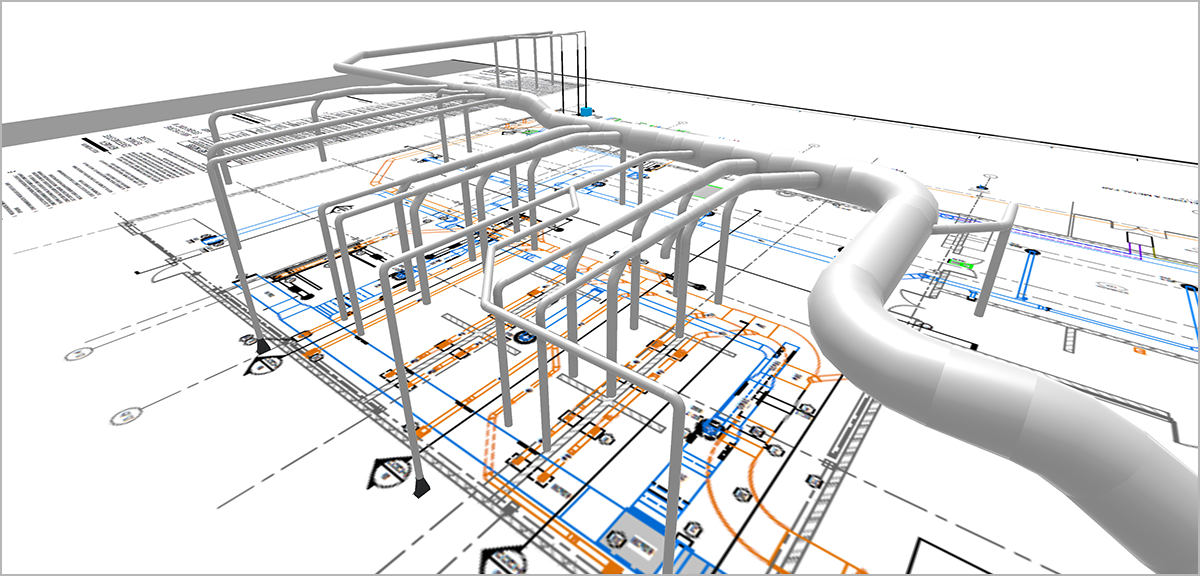
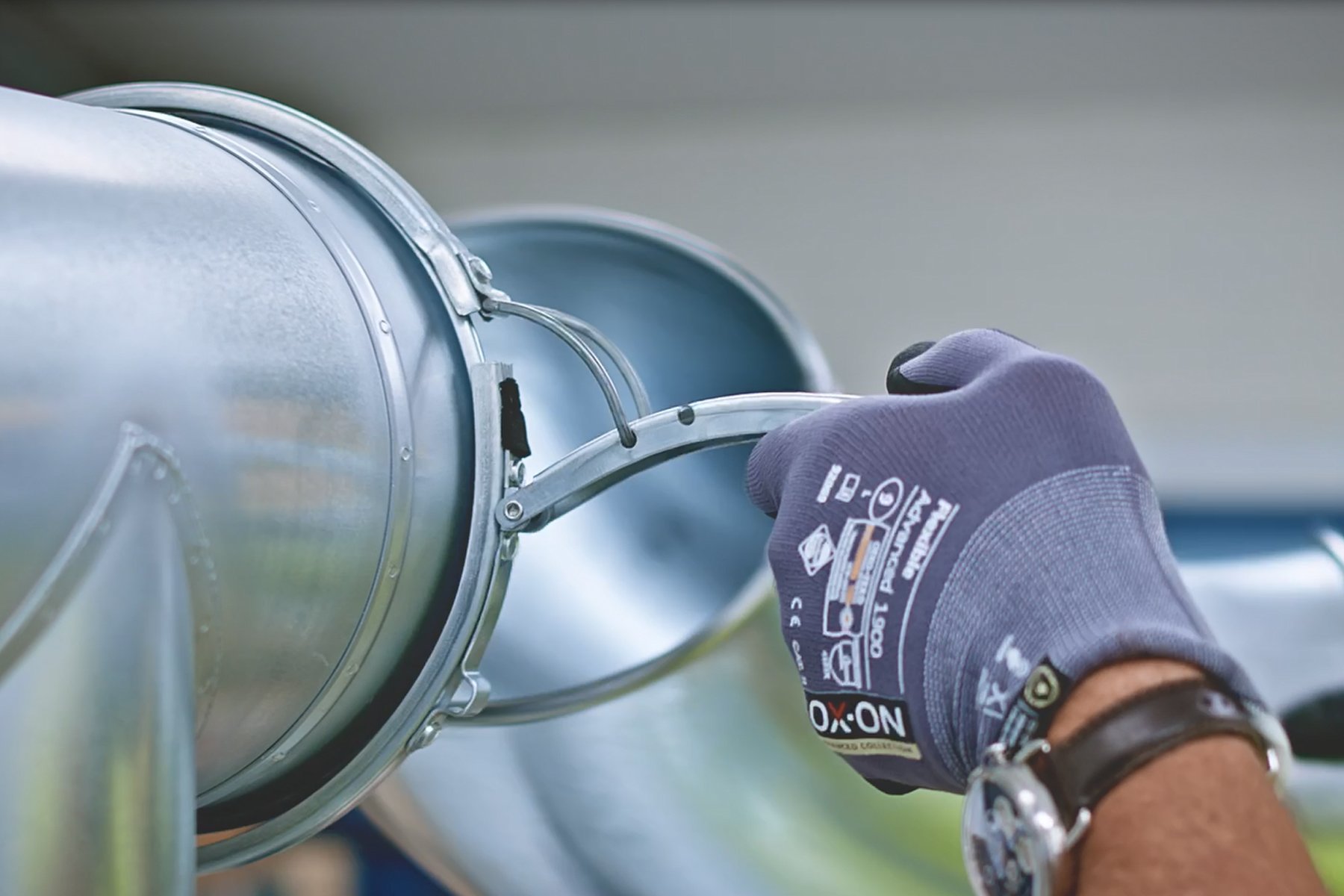
In industrial facilities, effective process ventilation is essential for maintaining clean air, protecting employees, and ensuring reliable production. Dust, fumes, smoke, mist, and other airborne contaminants must be captured at the source and transported safely to a filtration or dust collection system. While dust collectors often receive the most attention, the ductwork itself plays an equally important role in overall system performance. Choosing the right type of ducting can significantly affect airflow efficiency, maintenance requirements, energy consumption, and system lifespan.
Different applications place different demands on the ductwork. For example, in woodworking facilities, rough interior surfaces or poorly sealed joints can allow dust to accumulate inside the ductwork, restricting airflow and increasing the risk of blockages and fire hazards. In metalworking operations, abrasive dust can quickly wear through lightweight ducting, leading to premature repairs and replacement costs. Facilities handling welding fumes or fine pharmaceutical powders often require leak-tight ductwork to prevent contaminants from escaping into the workplace and to maintain consistent extraction performance. Similarly, high-vacuum systems used in automotive manufacturing, cleaning systems, or material handling applications require heavier-gauge ducting capable of withstanding higher negative pressures without deformation.
Choosing a ducting system that is not suited to the application can force fans to work harder to maintain airflow, increasing energy consumption and operating costs. Over time, excessive wear, corrosion, air leakage, and dust build-up can reduce system performance, shorten equipment lifespan, and increase maintenance demands. Selecting the correct ducting from the outset helps ensure reliable contaminant capture, efficient operation, and long-term system durability.
For engineers, ducting is a key factor in overall system performance. Every application has unique requirements depending on the type of contaminant being conveyed, air volume, transport velocity, and system pressure. Selecting the correct ducting material, diameter, construction, and configuration helps ensure efficient airflow, proper contaminant capture, and optimal energy usage while meeting safety and operational requirements.
Ultimately, the right ducting is more than a connection between equipment—it is a critical component of a safer, cleaner, and more productive facility.