Loading component...
Loading component...
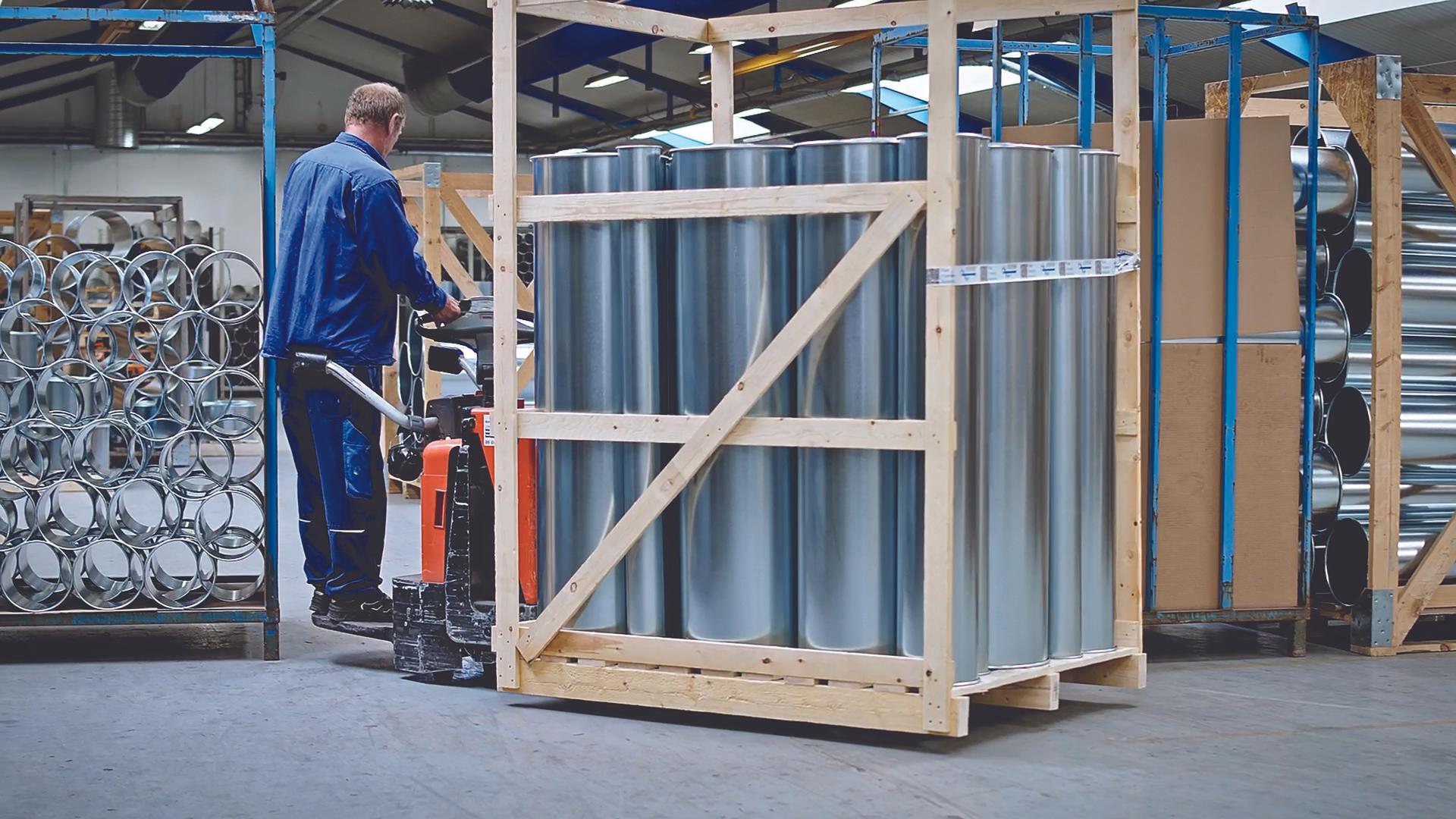


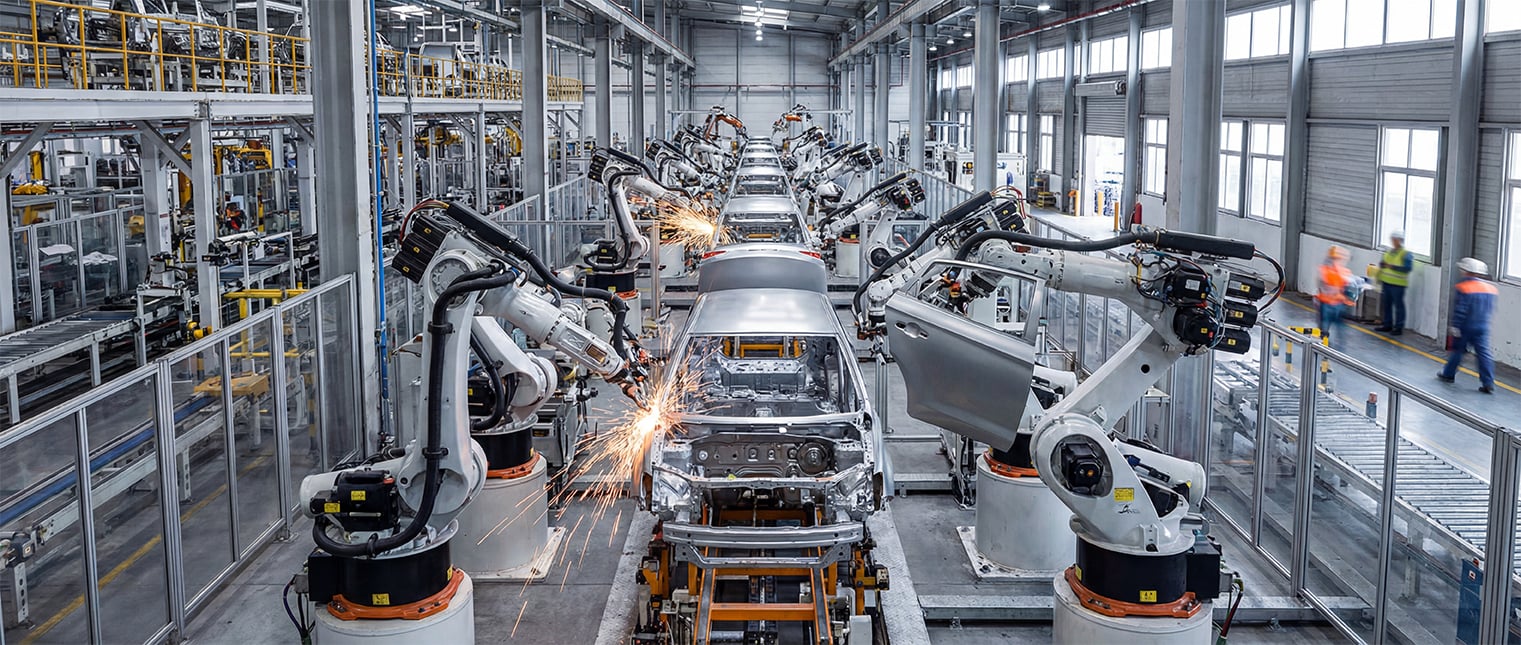
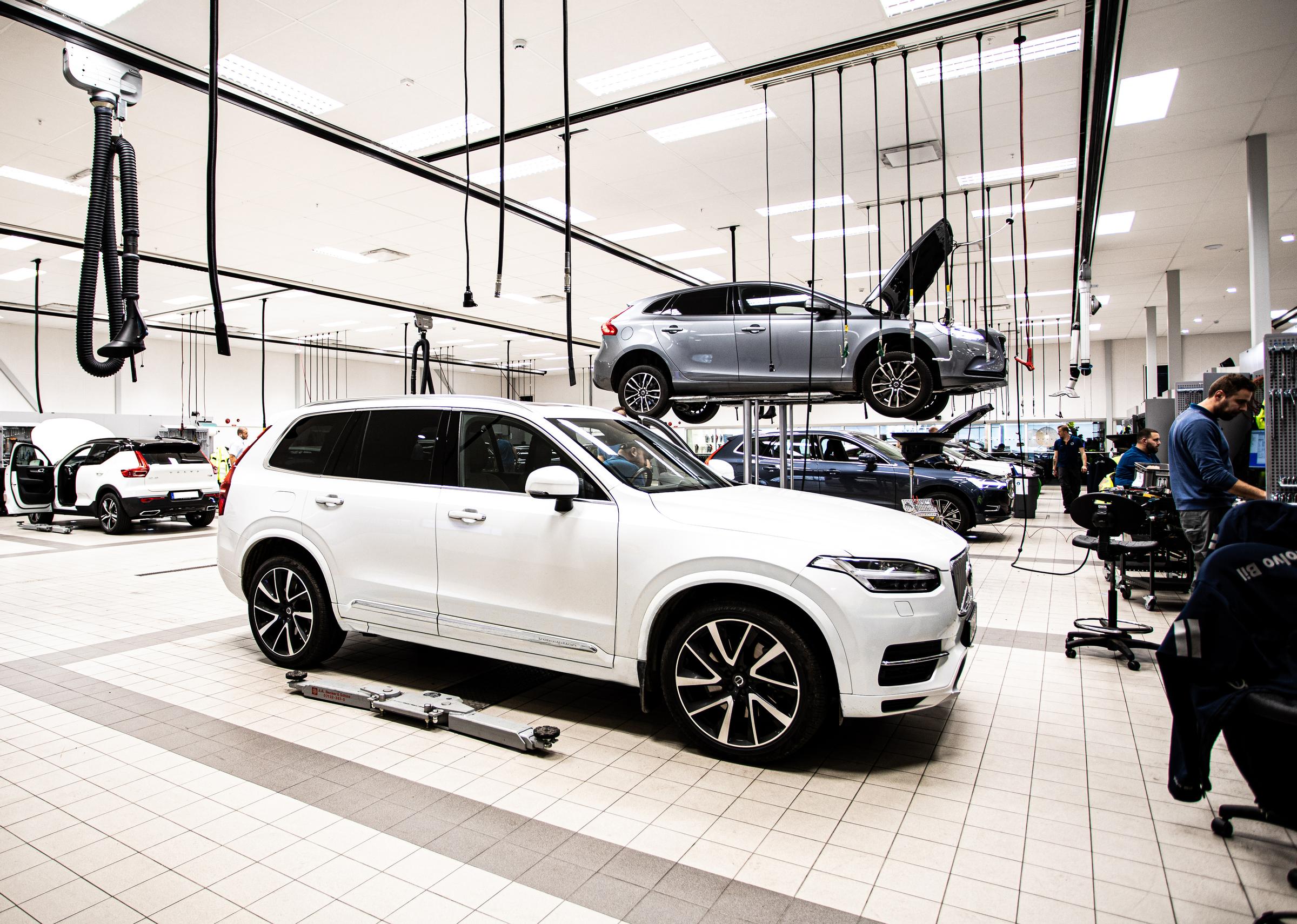
Process ventilation and dust extraction are essential in the automotive industry because manufacturing operations such as metalworking, grinding, welding, and painting generate hazardous airborne particles and fumes, for example, metal dust and paint particulates that can lead to long-term respiratory illnesses among workers and compromise product quality.
An effective process ventilation system helps remove these contaminants at the source, creating safer working conditions and ensuring compliance with strict occupational safety standards. In addition to protecting worker health, dust extraction prevents particle buildup on equipment, reducing wear, improving operational efficiency, and supporting consistent production quality.
By maintaining clean air and minimising exposure to harmful emissions, process ventilation and dust extraction systems play a crucial role in keeping automotive manufacturing environments safe, efficient, and sustainable