
Powder and Bulk

Ducting for powder and bulk applications


Dust extraction and process ventilation play a critical role in the powder and bulk industry because handling dry materials naturally generates airborne dust that can threaten worker health, damage equipment, and even create explosion hazards. Many powder and bulk solids release large volumes of dust during dumping, mixing, conveying, and other processing steps, and these particles may be abrasive, ultrafine, sticky, hygroscopic, or combustible — each posing unique risks that require targeted control measures.

Effective dust extraction not only removes hazardous particulates from the air but also helps maintain stable process conditions by preventing dust buildup that can interfere with mechanical components or lead to cross‑contamination in sensitive operations. Designing ventilation and extraction systems requires a detailed understanding of dust characteristics such as particle size, toxicity, moisture content, and explosibility, making proper engineering essential for safe, compliant, and efficient operations. In short, dust extraction and ventilation are indispensable tools for ensuring safety, protecting equipment, and sustaining high‑quality production in powder and bulk material handling environments.


Critical dust extraction points in powder and bulk applications:


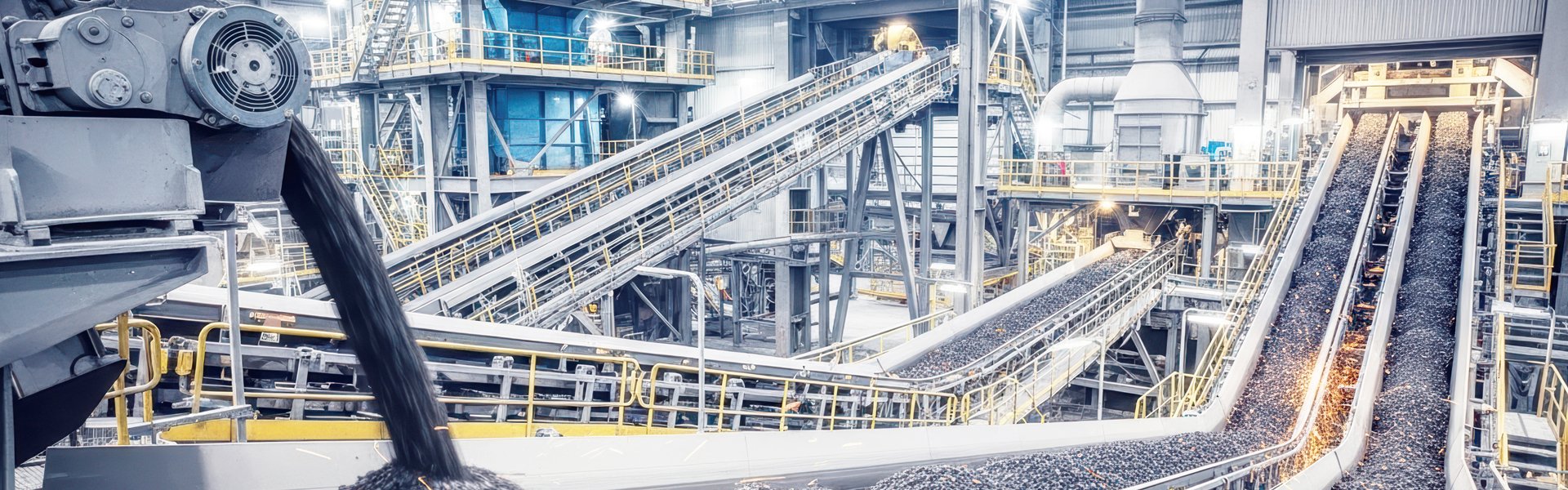
  1. Material dumping and transfer points involved in activities such as bag dumping, silo filling, hopper loading, and conveyor transfers release large volumes of dust as powders are poured, displaced, or agitated. These are among the highest‑emission zones in powder handling and require well‑positioned extraction to contain airborne particulates.
  2. Mixing, blending, and agitation processes make fine particulates suspended in the air, especially during ingredient addition, mixer opening, and discharge operations. These areas frequently generate dense dust clouds that can pose inhalation, explosion, and contamination risks.
  3. Filling and bagging machines often displace air from bags or containers, pushing fine powders outward and creating continuous emissions of dust. Without extraction, packaging stations become hotspots for airborne contaminants and housekeeping challenges.
  4. Feed hoppers, silos, and bin‑loading areas create dust plumes due to turbulence and free fall motion while loading and unloading powders into bulk storage systems. These areas require localised capture to prevent dust from escaping into the wider facility.
  5. Screens, sieves, and conveyor systems liberate dust as materials are separated or transferred. These systems generate continuous fugitive dust, making extraction essential to maintain air quality and reduce explosion hazards.

High vacuum — high performance

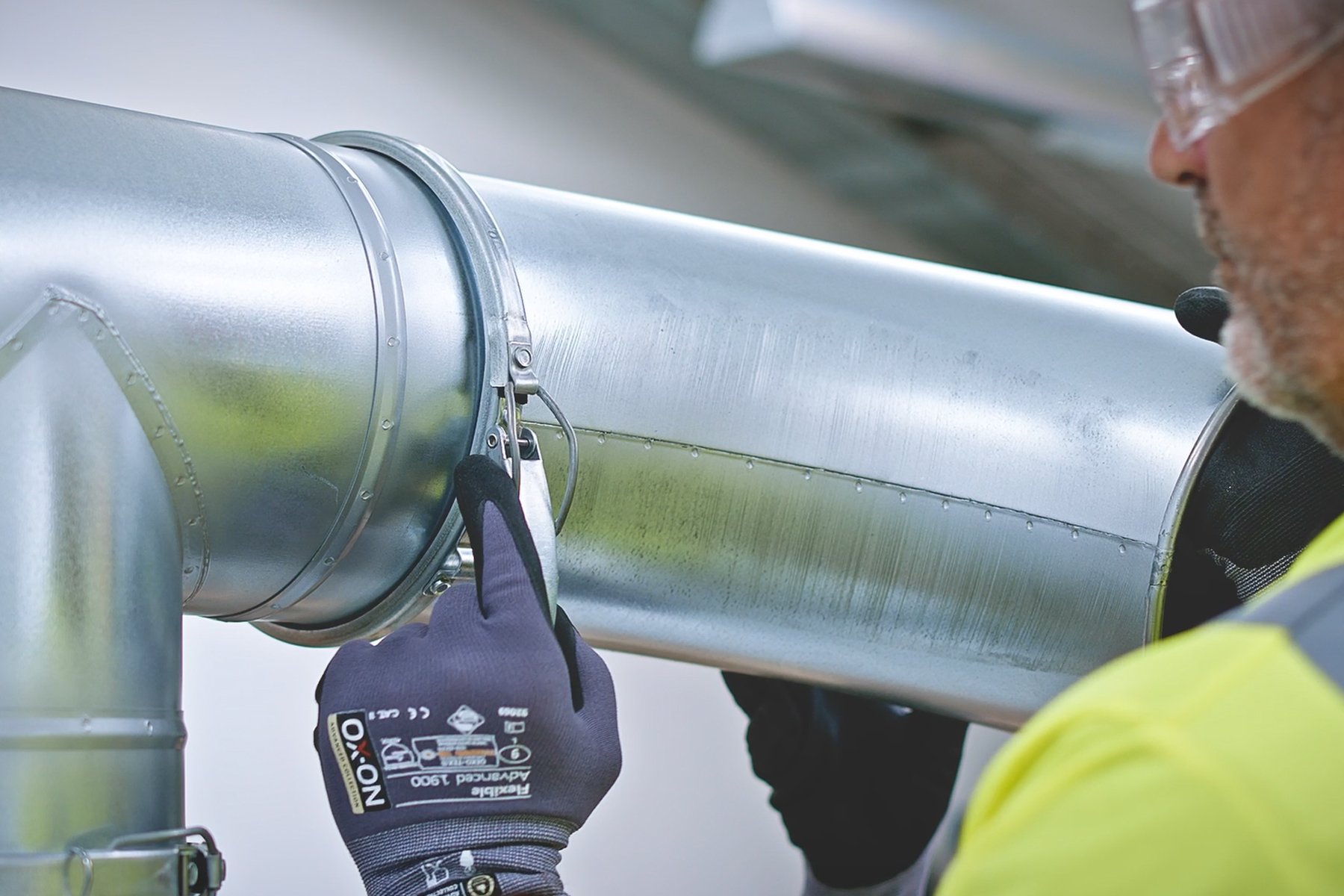
High vacuum dust extraction systems are designed for industries handling powders, granulates, and bulk materials, such as construction materials, chemicals, and food waste processing. High vacuum ducting excel in demanding environments where precise extraction is needed to remove welding fumes, grinding dust, spilled powders, and abrasive particles. Strong, sealed design allows efficient transport and filtration of heavy or fine materials, improving air quality and operational safety. Durable galvanised or stainless‑steel construction ensures reliability in harsh or hygienic settings, making Nordfab High Vacuum a perfect fit for bulk solids processing and recycling operations.

View available products

Quick-Fit (QF) ducting — designed for safety

Quick-Fit (QF) ducting systems have laser-welded seams resulting in a smooth, continuous, and leak-tight interior with no crevices for dust to accumulate. This means that laser-welded ducting eliminates the risk of debris build-up and blockages,  minimizes air leakage throughout the system, and enables efficient extraction of hazardous particles preventing them from circulation into the air. Combined with reduced turbulence and friction, which are often sources of static electricity, usage of laser-welded ducting decreases the risk of ignition and explosion, making the production much safer. Additionally, laser-welded ducting can meet the highest air tightness standards and reduce exposure and health risks for workers.

With components available in galvanized and stainless‑steel options, QF ducting adapts easily to different industries and environmental demands while ensuring consistent performance and compatibility across the entire system. Wide product range, extensive accessories, and true one‑stop‑shop offering give engineers, installers, and plant managers a clear advantage when choosing the ducting system

Explore the benefits

Revit Models — accurate and BIM-ready

Nordfab Revit Models help engineers and architects work more efficiently by giving accurate, drag‑and‑drop BIM‑ready components for every part of a dust extraction system. With Nordfab's product range available in Revit, designers can build complete system layouts with confidence, avoid clashes, and reduce design errors thanks to precise geometries and connection details. These models integrate seamlessly into BIM workflows, enabling faster planning, clearer coordination across trades, and smoother project execution from concept to installation. This means you can easily integrate our ducting systems into your BIM workflows, ensuring accurate specifications and reducing the risk of costly design errors.

Download Revit Models

Revit Models Available

Move from guesswork to confidence — download our complete Quick‑Fit Revit library and design your extraction system with proven, clash‑free, BIM‑accurate components.

Download models

Contact Nordfab Europe

+45 86 47 11 00 - [email protected]
Contact Us