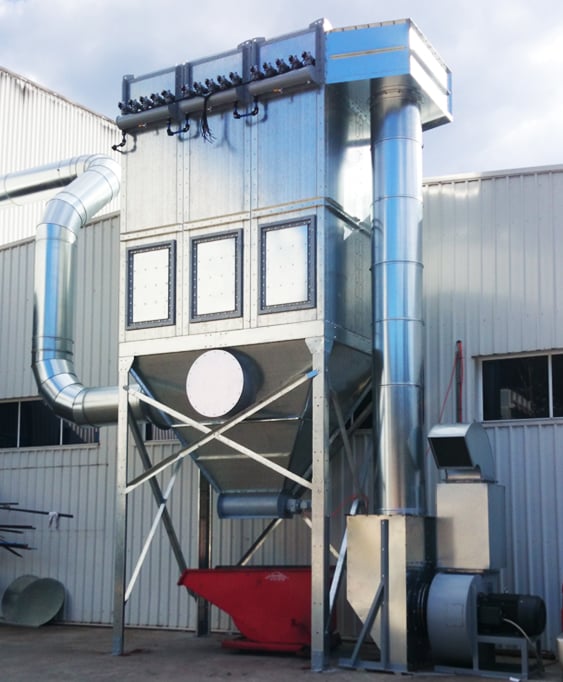
Ducting for powder and bulk applications
Dust extraction and process ventilation play a critical role in the powder and bulk industry because handling dry materials naturally generates airborne dust that can threaten worker health, damage equipment, and even create explosion hazards. Many powder and bulk solids release large volumes of dust during dumping, mixing, conveying, and other processing steps, and these particles may be abrasive, ultrafine, sticky, hygroscopic, or combustible — each posing unique risks that require targeted control measures.
Effective dust extraction not only removes hazardous particulates from the air but also helps maintain stable process conditions by preventing dust buildup that can interfere with mechanical components or lead to cross‑contamination in sensitive operations. Designing ventilation and extraction systems requires a detailed understanding of dust characteristics such as particle size, toxicity, moisture content, and explosibility, making proper engineering essential for safe, compliant, and efficient operations. In short, dust extraction and ventilation are indispensable tools for ensuring safety, protecting equipment, and sustaining high‑quality production in powder and bulk material handling environments.
Critical dust extraction points in powder and bulk applications:
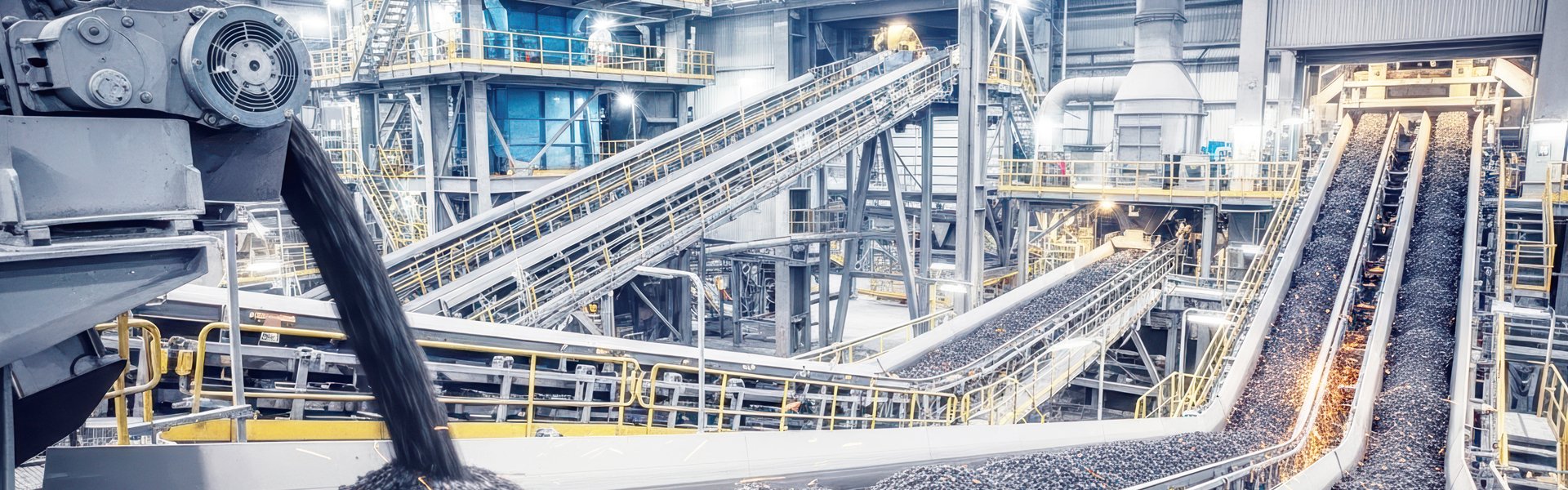
- Material dumping and transfer points involved in activities such as bag dumping, silo filling, hopper loading, and conveyor transfers release large volumes of dust as powders are poured, displaced, or agitated. These are among the highest‑emission zones in powder handling and require well‑positioned extraction to contain airborne particulates.
- Mixing, blending, and agitation processes make fine particulates suspended in the air, especially during ingredient addition, mixer opening, and discharge operations. These areas frequently generate dense dust clouds that can pose inhalation, explosion, and contamination risks.
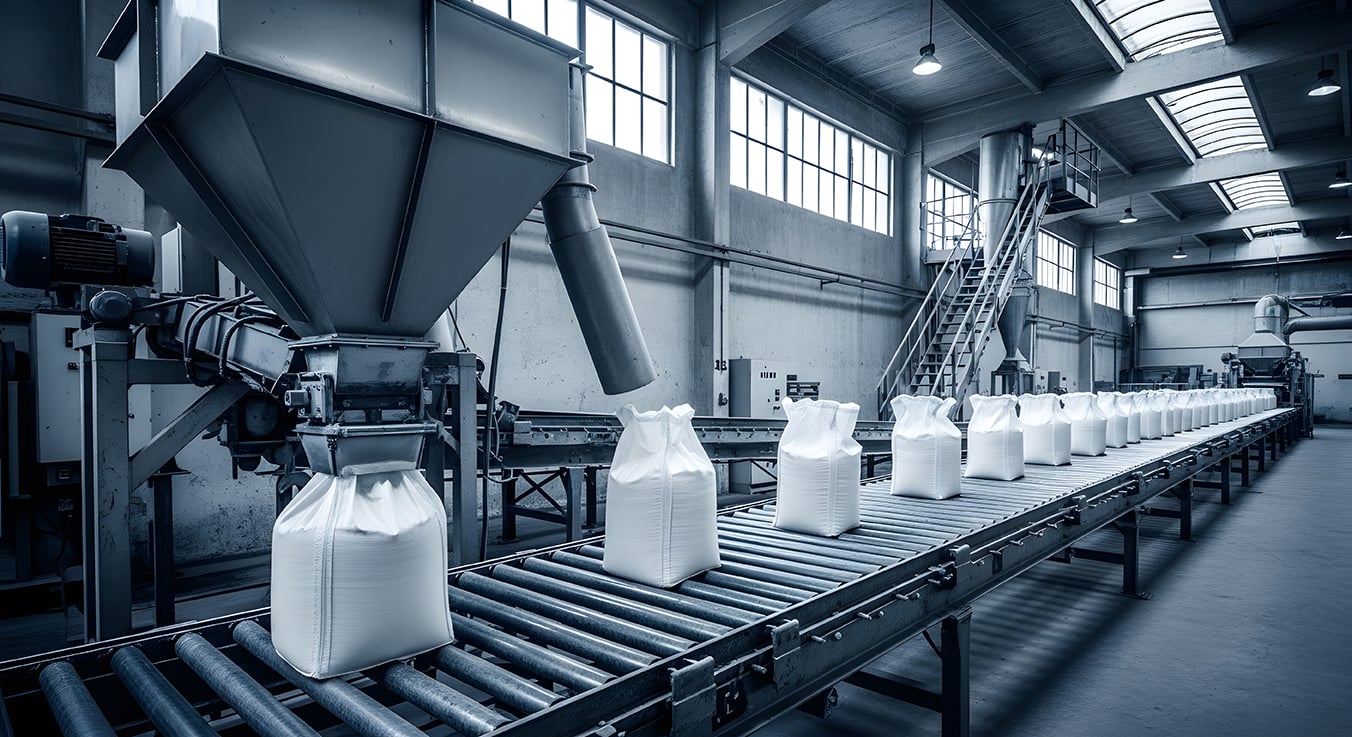
- Filling and bagging machines often displace air from bags or containers, pushing fine powders outward and creating continuous emissions of dust. Without extraction, packaging stations become hotspots for airborne contaminants and housekeeping challenges.
- Feed hoppers, silos, and bin‑loading areas create dust plumes due to turbulence and free fall motion while loading and unloading powders into bulk storage systems. These areas require localised capture to prevent dust from escaping into the wider facility.
- Screens, sieves, and conveyor systems liberate dust as materials are separated or transferred. These systems generate continuous fugitive dust, making extraction essential to maintain air quality and reduce explosion hazards.